Stress and why everyone is talking about it
Stress is a natural reaction of the nervous system to situations that are perceived as threatening, dangerous or that exceed a person's internal resources. From the point of view of psychology and psychotherapy, stress is not an emotion, but a state of the nervous and mental systems, which, as a result of unexpected and extraordinary events, are maximally activated for survival and protection. It is a complex psychophysiological reaction that triggers a mobilization mode in the body.
Stress factors may include:
- emotional overload
- conflicts
- responsibility
- losses
- uncertainty
- prolonged pressure
It does not matter to the psyche whether the danger is real or imaginary - the body reacts the same way.
In a state of stress, the body goes into survival mode:
- the heartbeat accelerates
- muscle tension increases
- attention narrows
- the ability for complex thinking decreases
That is why during stress it is difficult for a person to make logical decisions, concentrate or manage their own emotions. But the biggest problem is not the experience of stress itself, but how long a person is in this state. Our body is able to survive in a wide variety of situations, but nothing is more harmful than prolonged (chronic) stress.
What types of stress are there and how to distinguish them?
Acute stress is a short-term reaction to a specific event or situation. Cortisol levels rise sharply, but also fall quickly.
Typical causes of acute stress:
- sudden danger (violence, accident, explosions)
- conflicts
- abrupt change in circumstances (unexpected loss, betrayal, illness)
Symptoms of acute stress may include:
- rapid heartbeat
- tremors
- sharp emotional reactions
- tension in the body
With quality recovery, proper self-care and support, acute stress does not harm health and helps to adapt quickly by increasing the window of tolerance to stress.
Chronic stress is a long-term state of tension that occurs when a person is exposed to stressors for weeks, months, or even years. Cortisol levels remain consistently high, which leads to faster wear and tear on all body systems. Unlike acute stress (for example, being startled by a loud noise), which quickly passes and allows the body to recover, chronic stress keeps the body in a state of constant “combat readiness.” The response system simply does not have time to turn off and recover.
The main causes of chronic stress:
- life in war conditions
- constant uncertainty
- overload of responsibility
- lack of sufficient quality rest
- unhealthy relationships, loneliness
- toxic team or management at work
- excessive workload (irregular work schedule)
- financial problems
- adverse living conditions (power outages, constant feeling of danger, noisy neighbors)
- discrimination
This type of stress is the most insidious, because over time a person gets used to it and stops noticing signals of exhaustion, perceiving abnormal circumstances as the absolute norm.
The most common symptoms of chronic stress:
- constant fatigue
- sleep disturbance
- anxiety or apathy
- decreased concentration
- irritability
- psychosomatic manifestations
- decreased libido
Often these symptoms are attributed to character, laziness, or a depressive disorder, although in fact they are the result of prolonged stress.
Eustress and distress: positive and negative stress
From a psychological point of view, two types of stress are distinguished according to its impact:
Eustress is positive stress that:
- motivates
- mobilizes resources
- promotes development
- has a clear beginning and end
An example of eustress can be a new project or a desired challenge.
Distress is a negative stress that:
- exceeds resources
- causes a feeling of powerlessness
- has no recovery phase
- leads to exhaustion and psychosomatic disorders
Eustress can turn into distress if a person lives for a long time without rest and support.
What to do?
Our nervous system needs not only a logical explanation and understanding, but also safety signals. When stress is not experienced, the body continues to be in survival mode even after the threatening situation has ended. That is why the phrases “get a grip” or “just relax” often do not work. It is important to remove or minimize the stressor, to provide yourself with as much rest, sleep, nutrition and support as possible.
If you feel that stress has become a constant background in life, and the tension does not disappear even after rest — you do not have to be alone with this. Referral to a psychotherapist is recommended if:
- stress lasts for several months
- the feeling of tension does not disappear
- psychosomatic symptoms appear
- there are signs of emotional burnout
- the quality of life decreases
Psychotherapy helps not only to reduce the symptoms of stress, but also to restore the balance between stress and resources.
Related articles
 Psychological Resource
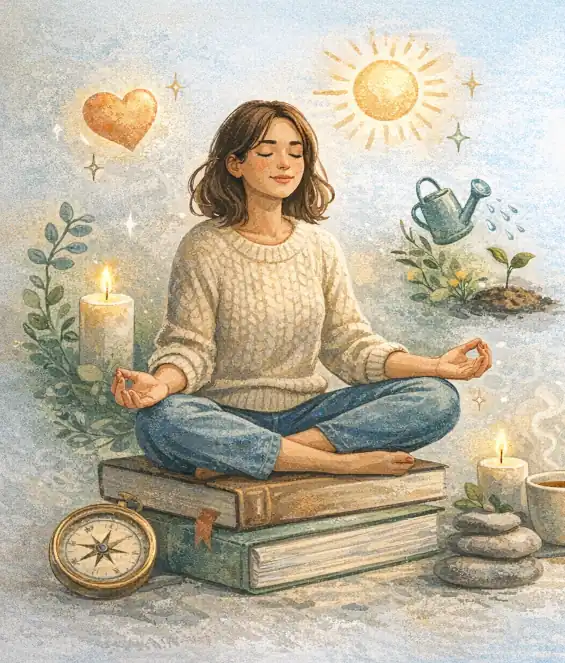
A psychological resource is an inner support that helps us withstand pressure, recover after difficult experiences, and stay connected with ourselves. In this article, you will learn how to recognize your own resources, why they may become depleted,...
25.01.2026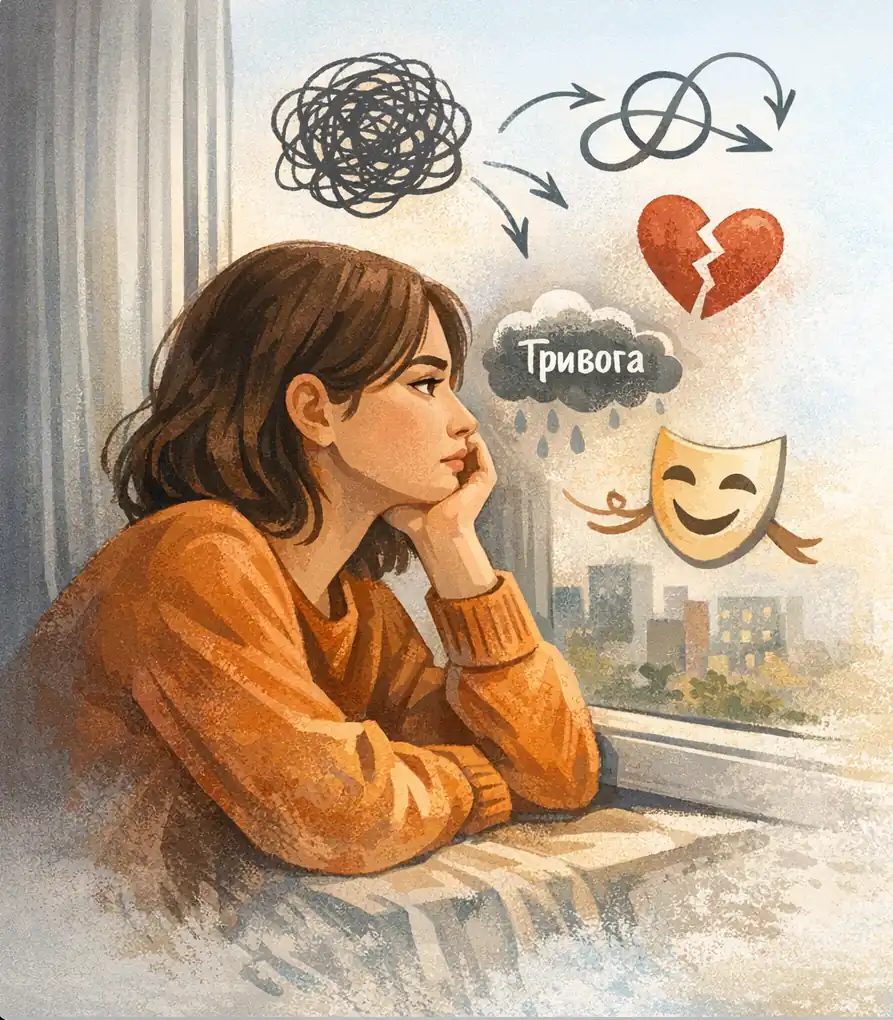 When is it worth seeing psychotherapist?
Маєш відчуття, що застряг(ла)? Живеш ніби не своє життя, або відчуваєш, що щось не так, хоча й все нормально? І це вже не говорячи про постійне виснаження, тривогу, чи депресію. Можливо годі тягнути все самотужки і час звернутися до спеціаліста.
24.01.2026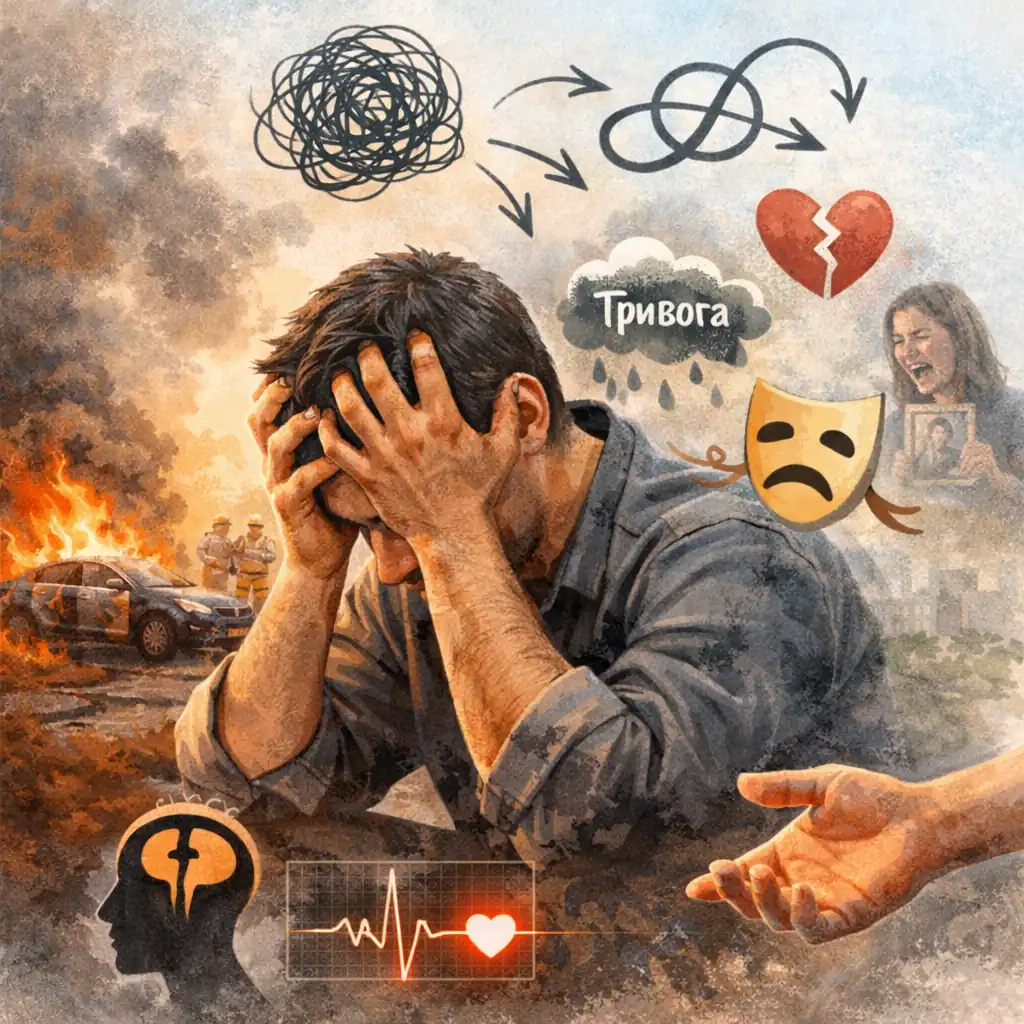 Acute stress reaction
Acute stress reaction is a temporary state of the body caused by extraordinary circumstances (catastrophe, violence, sudden loss, accident, etc.). It is not a disease, but a normal reaction of the body to abnormal circumstances. I am explaining how t...
22.01.2026